
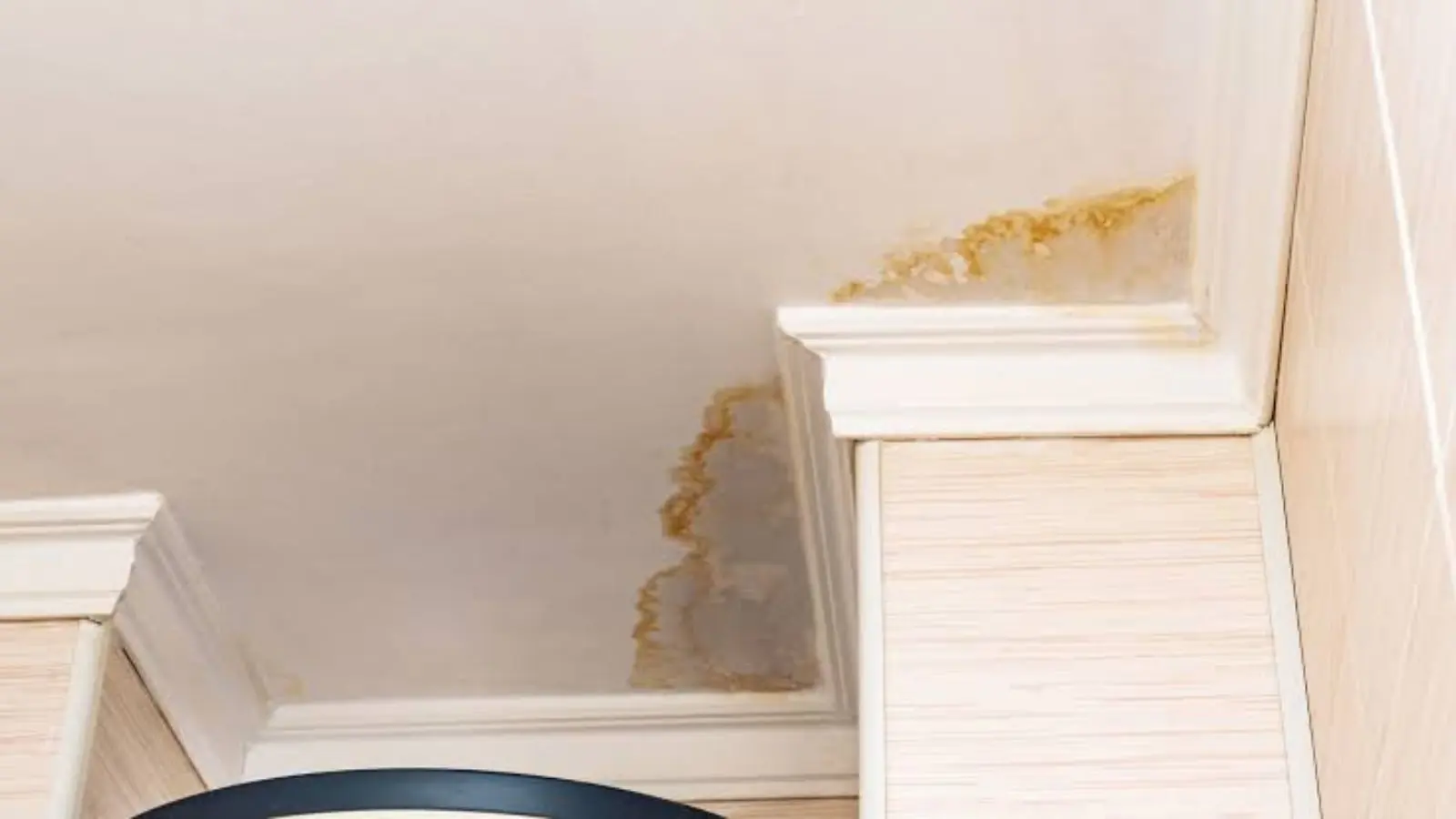
Ceiling water damage repair cost in Evergreen, CO is the total of the drying, removal, rebuild and finishing work needed to bring a wet ceiling back to a dry, sound and matching surface. It is not one number, since the same brown stain can mean a short repaint or a multi-room rebuild.
This article does not quote prices, because a number printed without seeing your ceiling would be a guess. What it can do is show you the factors that move the scope up or down, so the estimate you receive makes sense.
Start with what the water was
The first factor is the type of water. Clean water from a supply line or a rain leak is the easiest to handle, since drying often saves the materials. Water that picked up contamination, such as a drain or sewage line leak, means porous materials usually have to be removed and disposed of.
The ANSI/IICRC S500 standard classifies water by source and contamination, and crews use it to decide what can stay. Time matters too, since clean water that sits for days can change category as materials stay wet. A leak caught early costs less to handle than one left alone over a long weekend.
Size and spread
Square footage of visible damage is only part of the story. Water follows joists, pipe chases and wall tops, so the wet area is usually larger than the stain. A moisture meter and a thermal imaging camera map the true extent, and that map, not the stain, drives the scope.
A single room with one damaged bay is a small job. A leak that moved sideways into a hallway, closet or the room next door adds drying equipment, removal and finishing in each space. Water that traveled down inside a wall to a lower floor adds still more.
The cost factors at a glance
| Factor | What changes | Effect on scope |
|---|---|---|
| Water category | Clean, grey or contaminated source | Contaminated water means more removal and disposal |
| Area affected | One bay, one room or several rooms | More area means more drying and rebuild work |
| Insulation | Dry, damp or saturated | Wet insulation is removed and replaced |
| Ceiling texture | Flat, knockdown, orange peel or popcorn | Matching textures takes more skill and time |
| Height and access | Standard height, vaulted or hard to reach | Scaffolding and extra labor add time |
| Drying days | Equipment run time | Longer drying means more equipment days |
| Multi-room spread | Adjacent rooms or lower floor | Each space adds containment and finishing |
| Rebuild scope | Patch, section or full ceiling | A full ceiling is replaced and refinished edge to edge |
Insulation, height and texture
These three are the factors that homeowners overlook and that often change an estimate the most. Wet insulation has to come out and be replaced because it compresses and holds water against the framing. Insulation in a vaulted cathedral ceiling, where the cavity is tight, can take more careful removal.
Height matters because a ten-foot or vaulted ceiling needs scaffolding, not a stepladder, and the work takes longer. Texture matters because matching it by eye is slow. A flat painted ceiling is simple, while knockdown or orange peel texture needs sprayed material that blends into the old finish. Popcorn texture adds its own handling, so ask the crew how it plans to match or replace it.
How a scope and estimate should read
A scope is the written list of what will be done, room by room. A good estimate breaks that list into line items, so you can see drying, demolition, rebuild, finishing and any equipment separately. A single total with no breakdown is hard to compare or to question.
Ask for the estimate in writing and ask what is included. Does it cover the moisture readings and the daily monitoring? Does it include a final check before the ceiling is closed? Does it list who handles painting and texture? These questions show you whether two estimates are covering the same work.
Describe the loss
Give the date it started, where it came from and whether it has been stopped, so the crew understands what they are inspecting.
Walk the damage together
Ask to see the moisture readings and where the meter or camera shows wet areas that look dry.
Request a written, itemized scope
It should name each room, each task, the drying equipment and the finish work.
Compare line by line
Check that both estimates include the same rooms, materials and drying plans before comparing totals.
Confirm the plan with your insurer
Check your policy and ask your insurer what documentation it wants before work begins.
Why an undried stain costs more later
The cheapest moment to handle a wet ceiling is immediately. Wet insulation and framing that stay damp raise the chance of mold, and EPA homeowner guidance says to dry wet materials within about one to two days. A ceiling that was repainted over damp material can bleed through, and the whole job may restart with mold or rot added.
Painting over a stain that has not been dried also hides the evidence you may need for an insurance conversation. If the leak was sudden and accidental, your policy may respond, but a long-running seep is often treated as neglect. Check your policy and ask your insurer, and document the damage early.
The mitigation stage is water mitigation: the drying and removal that stops the loss from growing. The rebuild stage is water damage repair, and keeping them separate on the estimate helps you see where the money goes.
The June 2026 storm and why timing matters here
The June 2026 flash flood put heavy rain, rapid creek rises and flooding on homes across the Evergreen area, with the National Weather Service reporting up to 3.5 inches around town. When many homes need scopes at the same time, crews are busy and paperwork gets thin.
The practical point is to get your scope in writing, with the rooms, the drying plan and the rebuild listed, so it holds up if schedules or prices shift. Keep photos and any moisture readings you were shown. If your ceiling damage came from roof or storm water, keep the same records, and ask your insurer what it needs.
Crews often serve several nearby areas. Homes in Golden and Morrison have their own creek and storm-sewer histories, so a crew serving both may be stretched across them after a storm. Ask when work can realistically start, and ask for that in writing.
Questions to ask before you agree
Ask whether the estimate is for the drying only or the full rebuild, and whether it changes if more damage is found once the ceiling is open. Ask what happens if readings do not drop on schedule. Ask whether the company works to ANSI/IICRC S500, and who will be on site.
Want your real number? Call (303) 952-8295 and describe the ceiling, and a restoration professional can explain what a scope for your home would include.
Want a scope you can read?
Ask for a written, itemized plan with drying readings, rooms and rebuild steps.
Frequently asked questions
Why do two estimates for the same ceiling look so different?
They may cover different scopes. One may include drying and insulation replacement while the other covers only drywall and paint. Compare the line items before the totals.
Does a bigger stain always mean a bigger repair?
No. A large stain on firm, dry board can be cheaper to fix than a small stain over saturated insulation. The meter readings and the cavity condition matter more than the surface.
Can insurance help with ceiling repair?
Sudden and accidental water damage is often covered, and gradual leaks and neglect often are not. Check your policy, ask your insurer about limits and exclusions, and document the damage before repairs.
Should I expect longer waits for estimates in Evergreen after a big storm?
It is possible. After the June 2026 storm, many homes needed scopes at once, so ask for a written scope with a start window and keep your own photos in case schedules slip.