
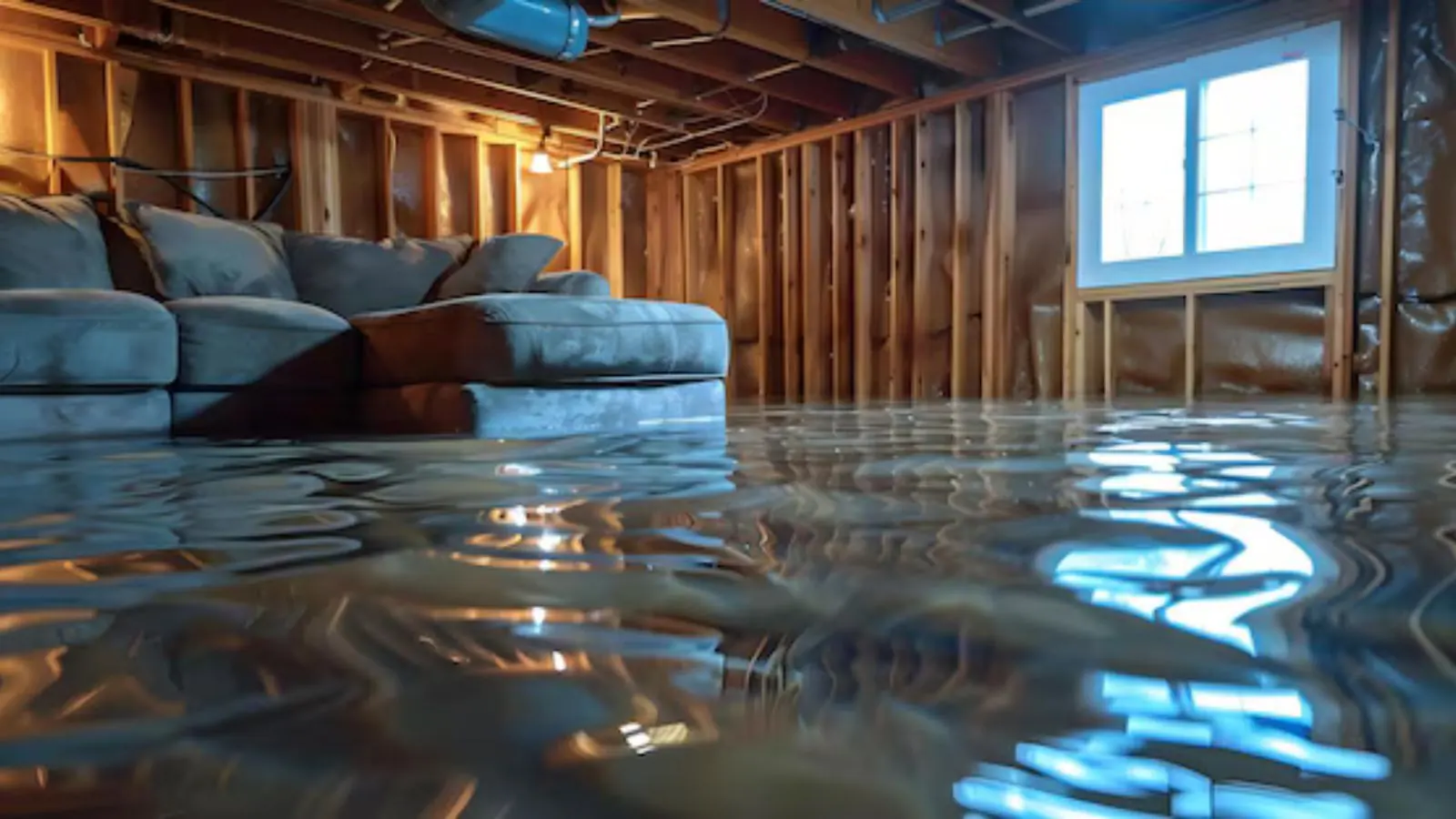
Water mitigation in Evergreen, CO is the work that keeps a wet building from becoming a ruined one. It means finding the water source, stopping it, removing standing water and starting controlled drying before drywall softens, wood swells and mold gets a foothold. Emergency calls arrive at every hour, so the dispatch line is open 24/7.
If water is still moving, read the safety steps below, then call, and the dispatcher will talk you through what to do while a crew is lined up.
When water is an emergency and mitigation cannot wait
Water that is still flowing, water that has reached an electrical panel, and water that has soaked insulation or carpet pad all count as emergencies. The first 24 to 72 hours decide how much material can be saved, because drywall, wood and insulation absorb moisture fast and release it slowly. A crew that starts the same day, when available, usually removes less material than one that starts after the weekend.
After-hours calls are normal here. Freezes split pipes overnight, summer storms arrive after dark, and a leaking water heater often announces itself at 2 a.m. The dispatcher asks where the water is coming from, what it has touched and whether anyone smells gas or sees sparking, then lines up a crew.
Safety before mitigation
- Find the main shut-off valve and close it if you can reach it without standing in water.
- Cut power to wet areas only if the panel is dry and you can reach it safely. If the panel itself is wet, stay away and call the utility or 911 before calling us.
- Keep people and pets out of water that came from a sewer line, a creek or a flooded basement.
- Lift furniture legs onto foil or blocks and move rugs and electronics to dry rooms.
Wet carpet, soft drywall, musty smell: what mitigation means
Most people do not search for the trade term. They search for a ceiling that is dripping, a carpet that feels cold and soggy, or a damp smell near the washer. Mitigation is the name for the response to those symptoms, and it is separate from the cleanup and the rebuild that follow. The goal is to stop damage from growing, not to make the room look finished.
That distinction matters when you compare companies. A crew that only wipes up water has done cleanup. A crew that maps moisture inside walls, sets drying equipment and returns to confirm readings has done mitigation, and that record is what your insurer will want to see.
How a mitigation job runs
A typical visit has five parts, and each one produces something you can check.
- Source control. The crew confirms the leak is stopped, or shuts off the line that is feeding it.
- Extraction. Standing water comes out first with pumps and extraction units, which is much faster than letting dehumidifiers pull it from the air.
- Moisture mapping. Moisture meters and thermal imaging cameras show wet areas behind paint, under flooring and inside wall cavities.
- Selective demolition. Materials that cannot be dried, such as soaked carpet pad or sagging ceiling drywall, are cut out and bagged.
- Drying setup. Air movers and LGR dehumidifiers go in according to the wet area, and readings are logged each visit.
Structural drying: how dry is dry
Structural drying means bringing framing, subfloor and drywall back to a normal moisture level, not just making the surface feel dry. Framing can hold moisture long after paint feels fine, and sealing it behind new drywall invites mold. The crew sets a drying goal from readings in unaffected parts of your home, then keeps equipment running until wet materials match that goal.
Drying often takes several days, and the number depends on the materials, the water category and the humidity inside the house. Hardwood and plaster dry slowly, while carpet and drywall dry faster. Readings on each visit tell the crew when to move or remove equipment.
| Equipment | What it does | When it is used |
|---|---|---|
| Moisture meter | Reads moisture inside materials | Every visit, to map and confirm drying |
| Thermal imaging camera | Shows cold, wet areas behind surfaces | Early, to find hidden water |
| Air mover | Moves air across wet surfaces | Floors, walls and cavities |
| LGR dehumidifier | Pulls moisture out of the air | Whole affected zone |
| Extraction unit | Removes standing water | Before drying begins |
Why mitigation looks different in the Evergreen foothills
At roughly 7,160 feet, with about 80 inches of snow a year, Evergreen homes see losses that flat-land houses do not. Frozen supply lines split in unheated crawl spaces and seasonal homes, and the damage often runs for days before anyone notices. Meltwater can also back up behind roof ice and soak ceilings from above.
That is why the water damage repair crew needs the drying records before rebuilding. Higher communities such as Conifer sit well above Evergreen, so the same freeze cycle tends to arrive earlier in the season.
Summer brings a different pattern. In June 2026 a storm turned Bear Creek into a fast-rising flood, and the Evergreen Metropolitan District later issued a boil water order for specific areas. If creek water or sewage reached your home, the job moves into flood damage restoration because the water is contaminated.
What shapes the cost of mitigation
No honest company can name a price without seeing the loss, but you can learn the factors.
- Water category, because contaminated water adds cleaning and removal.
- Affected area and how many rooms or floors the water reached.
- Materials involved, such as hardwood, carpet, plaster or insulation.
- Drying days and the amount of equipment needed.
- How much material has to be removed before drying can work.
The scope and price are explained before work starts, and a written scope helps if your insurer asks questions. Want your real number? Describe the loss to dispatch.
Mitigation and your insurance
Sudden and accidental water damage is often covered, gradual leaks often are not, and flood damage is usually excluded without separate flood coverage. Check your policy and ask your insurer what it needs. The Colorado Division of Insurance advises contacting your insurer promptly and taking steps to prevent more damage, which is exactly what mitigation does. Photos and drying logs make that paper trail easier, and we cannot promise what any insurer will approve.
Water in the house right now?
Dispatch answers 24/7 and explains next steps.
Frequently asked questions
Do you handle water mitigation emergencies at night or on weekends in Evergreen?
Yes. The line runs 24/7, including weekends and holidays. Same-day response is offered when available, and the dispatcher tells you what is realistic for your address. Close the main valve if it is safe, move valuables up, and keep clear of any wet electrical equipment while you wait.
My carpet is soaking and it has been two days. Is it too late?
Not usually, but speed matters. Carpet can often be dried if the water was clean, while the pad underneath is often removed. Mold can begin within a day or two of continuous moisture, so call now and let a crew read the moisture before anything is thrown out.
How long does structural drying take?
Several days is common, and the time depends on the materials, the amount of water and the humidity. The crew logs moisture readings each visit and removes equipment only when readings reach the drying goal.
Can I just run fans and rent a dehumidifier myself?
Fans and a household dehumidifier help with a small spill, but they cannot confirm that framing inside a wall is dry. If water reached a wall, a subfloor or insulation, ask for moisture mapping before you decide.
How is mitigation different from cleanup and repair?
Mitigation stops the damage and dries the structure. Water damage cleanup removes debris, sanitizes and deodorizes, and repair rebuilds finished surfaces. Many jobs need all three in order.