
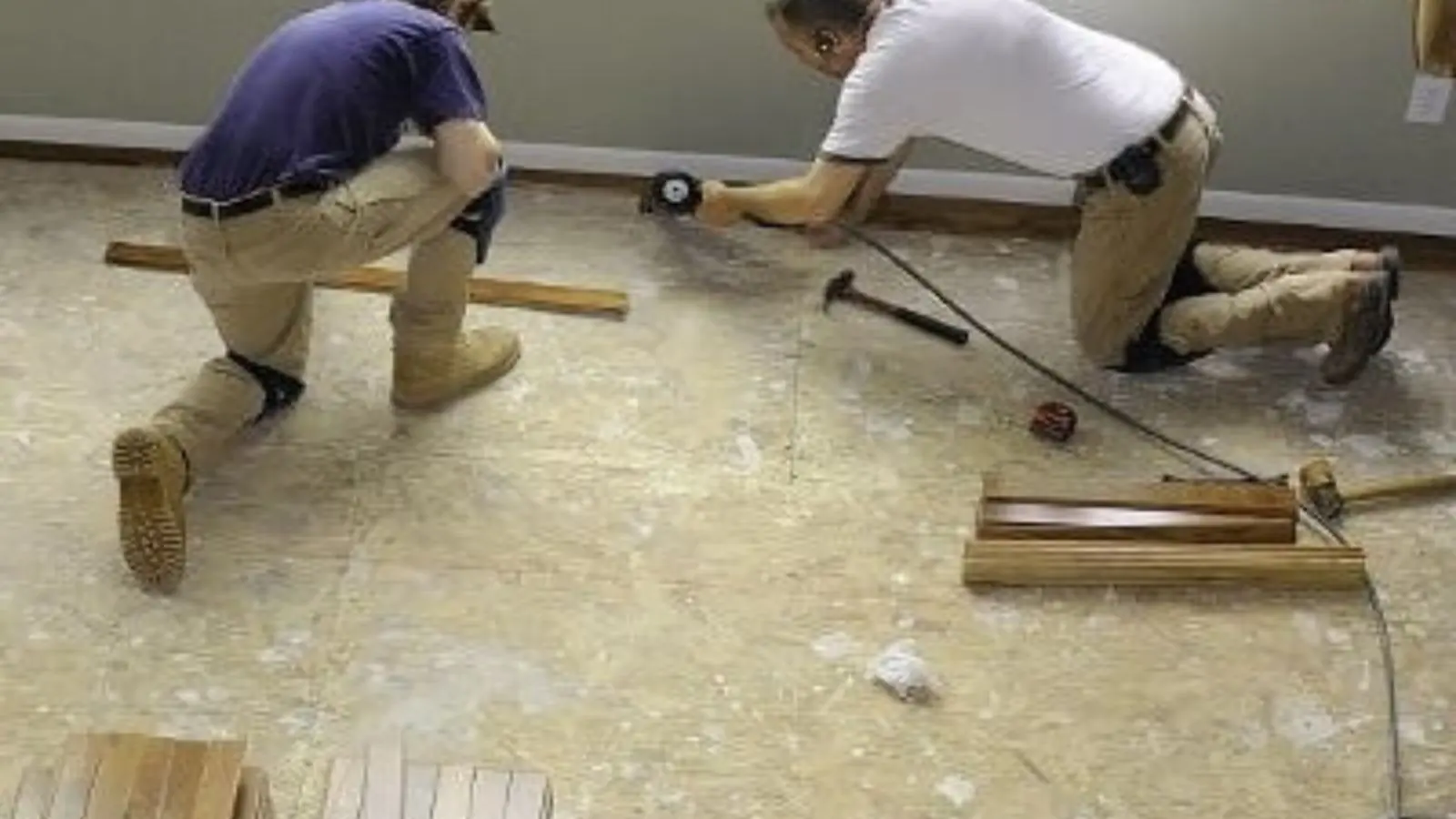
Water damage repair in Evergreen, CO is the rebuilding stage that follows drying. It replaces the drywall, insulation, flooring, trim and paint that could not be saved, and it returns rooms to the condition they were in before the water arrived. Repair should never begin on wet framing. Closing walls over damp materials traps moisture and invites mold, so a good repair estimate starts with proof that the structure is dry.
Where repair fits after a water loss
A water loss runs in order. The source is stopped, standing water is removed, the structure is dried and cleaned, and only then does repair begin. If you jump straight to repair, you may rebuild over materials that are still wet.
Ask whoever did the drying for the moisture log. Readings from affected areas should match readings in unaffected parts of the house before drywall goes back on. If no log exists, you can read what that step involves on the water mitigation page and ask for a moisture check before work proceeds.
Ceiling and wall water damage repair
Ceilings and walls are where most repair calls start, and callers describe them in plain terms: a stain that keeps growing, a bubble in the paint, a soft spot that looks like it might fall in. The stain is only the surface. Behind it can be saturated insulation, a wet joist or a leak that is still active, so the first step is always to find and stop the source.
Once the source is fixed and the area is dry, repair follows a simple order:
- Cut out sagging or soft drywall back to solid material.
- Replace wet insulation, which loses its value once it has been saturated.
- Hang new drywall, tape, mud and sand the seams.
- Prime with a stain-blocking primer so old water marks do not bleed through.
- Match the texture and paint the whole wall or ceiling plane, not just the patch.
A small ceiling stain from a one-time leak can sometimes be primed and painted after it dries. A collapsed ceiling, a spreading stain or a stain that returns after painting needs more than paint. Matching texture is a craft step, and a patch that is visible from across the room usually means the finishing was rushed.
Floors: hardwood, laminate, tile and carpet
Flooring behaves differently depending on what it is made of. Solid hardwood swells and then cups at the edges, with the boards turning up as moisture moves through them. Callers often notice cupping a few days after a leak, long after the surface looked fine. If the floor is dried slowly and the moisture goes away, boards can sometimes flatten, and in other cases they need sanding or replacement.
Laminate and engineered products often fail faster, because the core swells and the surface layer lifts. Tile holds up better, but the subfloor and the grout lines can still be wet underneath. Carpet may be dried in place if the water was clean, and the pad is commonly replaced. An honest repair estimate separates what can be saved from what cannot and explains why.
Insulation, trim and cabinets
Wet insulation is almost always replaced, because it compresses and holds moisture. Baseboards that were soaked can swell and release finish, and they are often removed and reinstalled or replaced. Cabinets are judged by the material. Solid wood and plywood often dry and recover, while particleboard swells and rarely returns to its shape.
Kitchen and bathroom repairs can involve plumbing, so ask who is fixing the leak and who is rebuilding the wall. Where a permit applies, Jefferson County Building Safety can tell you what the county requires for your address, and Jeffco's online permits include plumbing for water heaters. Do not assume a permit is or is not needed, and ask the county first.
What affects the cost of water damage repair
Repair costs vary because every loss differs. The main factors are:
- The size of the area that needs rebuilding.
- The materials involved, such as drywall, hardwood, tile or custom trim.
- Whether the ceiling or wall texture must be matched.
- Whether the work spans more than one room.
- Access, such as high ceilings or tight spaces.
- Whether mold or contaminated water changed the plan.
You get the scope and price explained before work starts. Ask for the scope in writing so you can compare it to your insurer's estimate. Want your real number? Call dispatch.
Water damage repair and insurance
Sudden and accidental water damage is often covered, while gradual leaks and maintenance issues often are not, and floods usually need separate flood coverage. Check your policy and ask your insurer what it requires. The Colorado Division of Insurance advises getting the company's instructions before making repairs, and keeping an inventory of damaged property and receipts for any temporary housing. We cannot promise what any insurer will approve.
Repair planning for homes around Evergreen
Mountain homes dry slowly in winter, when the air is cold and dry but the framing can stay damp behind walls. Repair crews often schedule rebuilding after the drying log shows stable readings, even if that means a short delay. If your home is in a hillside community such as Indian Hills, ask your crew about access and scheduling before the rebuild is booked.
If mold appeared while a wall stayed wet, that job needs mold remediation before drywall returns. Rebuilding over untreated mold only hides the problem.
Planning a rebuild?
Dispatch can explain scope and what to ask before work starts.
Safety steps before the crew arrives
These steps protect you while you wait. Skip any that are not safe for your situation.
- Shut off the water at the main valve if the source is a supply line.
- Stay away from outlets, cords and the panel if water is near them, and turn off power only if the panel is dry and you can reach it safely.
- Lift small valuables and paper off wet floors.
- Photograph the damage before anything is moved, for your own records.
- Keep children and pets out of wet rooms.
Repair work follows drying. Crews that work to the ANSI/IICRC S500 standard confirm the structure is dry with readings before any drywall or flooring goes back, so ask any company how it documents that.
Frequently asked questions
How do I know the wall is dry enough to repair?
Ask for moisture readings. Dry framing should read close to unaffected areas of the home, and the drying log should show stable numbers over more than one visit. Sight and touch are not enough.
Can a water stain on my ceiling just be painted over?
Sometimes, if the leak is fixed, the area is fully dry and a stain-blocking primer is used. If the stain spreads, returns or feels soft, repair beyond paint is needed.
My hardwood floor is cupping after a leak. What should I do?
Find and stop the water source first, then have the floor checked for moisture. Cupping sometimes eases as the boards dry, but sanding or replacement may be needed afterward.
Who handles the plumbing fix and who rebuilds the wall?
Usually these are separate trades, and your crew can explain how the work is coordinated. Ask dispatch who handles which part for your job.
Is water damage repair the same as waterproofing?
No. Repair rebuilds what was damaged. Waterproofing changes how water gets to the foundation, and that is a different trade.