
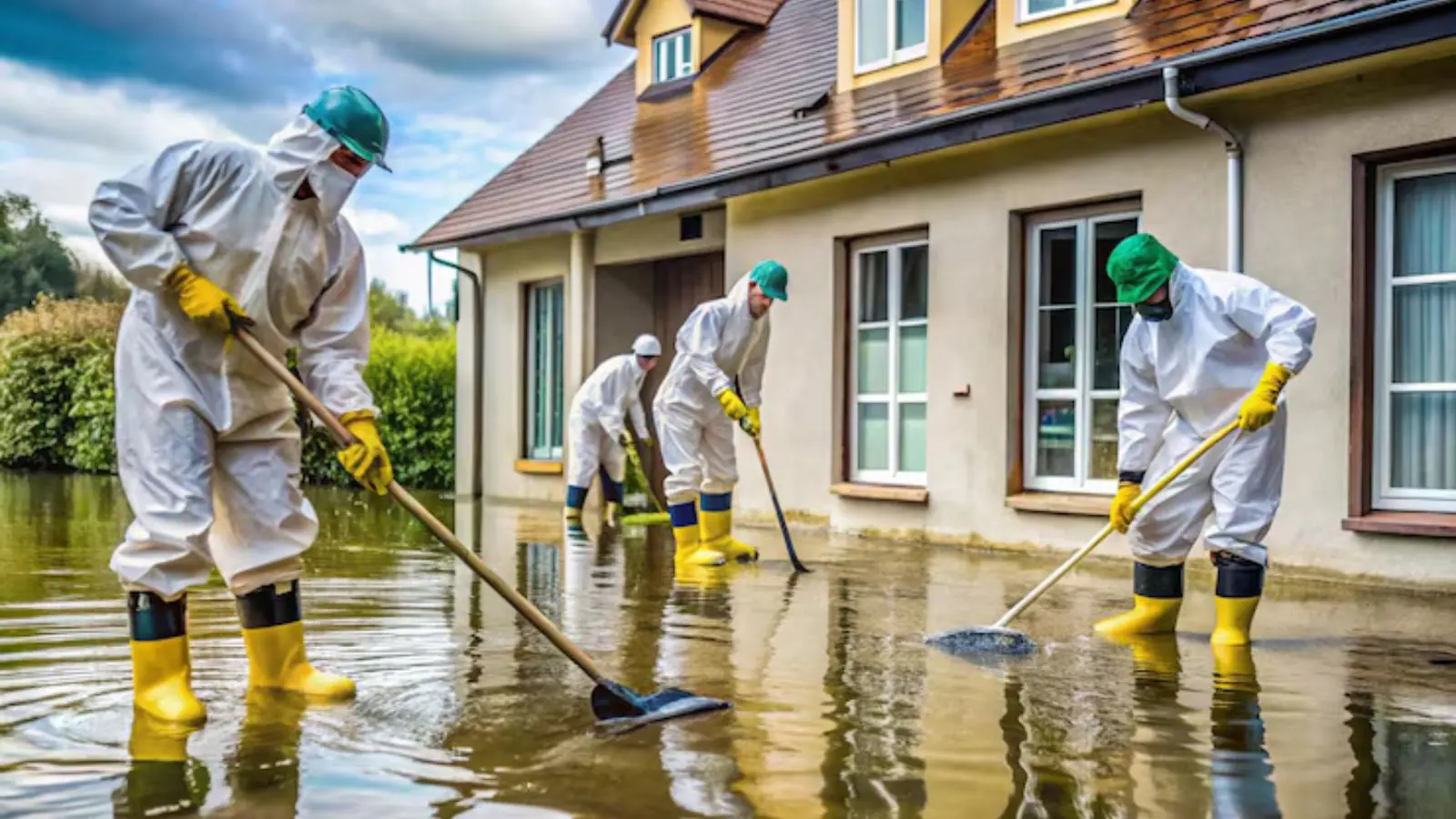
Water damage cleanup in Evergreen, CO is the stage that follows once the source is stopped and the standing water is out. It covers removing wet debris, cleaning and sanitizing surfaces, handling damp belongings and clearing odors left by water that sat too long. The first 48 hours matter because wet materials start to break down quickly, so the dispatch line is open 24/7 and a crew can start as soon as the scope is clear.
The first 48 hours: what cleanup should look like
Cleanup begins with a decision about every wet item in the home. Anything that can be cleaned and dried stays, and anything that cannot is documented and removed. Photos come first, because your insurer may want to see what was thrown out and why.
Cleanup is not the same as drying. A sparkling floor can still hold moisture in the subfloor beneath it, and crews usually do the two together. If you are unsure whether the drying part has happened, read the water mitigation page and ask your crew for moisture readings.
When cleanup is an emergency
A wet home after a storm, a washing machine overflow or a pipe failure is time sensitive. After-hours calls are normal, and the dispatcher asks how long materials have been wet, what kind of water it was and whether anything smells. Same-day help is offered when available.
Until a crew arrives, protect what you can:
- Lift wet area rugs and cushions so the floor underneath can breathe.
- Wipe furniture legs and put foil or blocks under them.
- Open closet doors and cabinet doors for airflow if the room is not contaminated.
- Leave drywall, carpet pad and insulation in place for the crew to assess unless they are sagging or smell of sewage.
What gets cleaned and what gets removed
The answer depends on the water category and on how long the material stayed wet.
| Material | Clean water that was dried fast | Contaminated or long-standing water |
|---|---|---|
| Hard flooring | Usually cleaned and dried | Cleaned and sanitized, replaced if swollen |
| Carpet | Often dried in place | Removed |
| Carpet pad | Often removed | Removed |
| Drywall | Often dried or patched | Removed |
| Insulation | Often removed when saturated | Removed |
| Furniture and contents | Dried and cleaned | Cleaned or discarded, case by case |
Porous materials such as pad and insulation absorb contaminated water and are hard to clean, so removal is often the safer call. Ask your crew to explain each removal decision.
Sanitizing and deodorizing
Once the debris is out, crews clean surfaces with detergents and antimicrobial products suited to the material. Deodorizing is not masking. It means removing the source of the odor, such as wet pad or damp subfloor, and then cleaning the air with equipment such as HEPA air scrubbers. If the smell persists, moisture is still somewhere in the structure.
A musty smell that returns days after cleanup is a warning sign for hidden dampness. At that point, the right move is to look for moisture rather than add fragrance, and in some cases the job continues as mold remediation.
Cleanup considerations around Evergreen
In parts of Jefferson County, a substantial number of homes rely on private wells rather than a public system. Jefferson County Public Health notes that well owners are responsible for their water's safety and recommends yearly testing. If flood or surface water reached a wellhead, test before you drink it.
On the public side, Evergreen Metropolitan District provides water and wastewater service in the Evergreen area and issued a boil water order for specific areas after the June 2026 storm broke mains near El Pinal and Troublesome Creek. When a boil order is active, use bottled or boiled water for cleaning and for anything that touches food. Communities such as Golden have their own city utilities, so ask the provider that serves your address.
What affects cleanup cost
Cleanup costs depend on the water category, the area affected, the number of items that must be disposed of, the cleaning method, the contents involved and whether drying and repair follow. No honest estimate comes without seeing the home. You get the scope and price explained before work starts. Want your real number? Call dispatch.
Insurance and documentation
Sudden and accidental water damage is often covered, while gradual leaks often are not, and floods usually need their own policy. Check your policy, then ask your insurer what it wants to see. The Colorado Division of Insurance suggests an inventory of damaged property sent as one package, because sending pieces slows processing, and advises keeping receipts if you need temporary housing.
Cleanup questions?
Call the 24/7 line and ask what to keep.
Standards and safety for cleanup work
Cleanup follows the water category. Category 1 is clean supply water, category 2 carries some contamination, and category 3 is grossly contaminated, such as sewage or creek flood water. The ANSI/IICRC S500 standard describes how each category is handled, and you can ask any company whether its crews work to it.
- Do not wade through water that may be contaminated, and keep children and pets away.
- Do not run household vacuums on wet material.
- Wear gloves and boots if you must touch wet debris, and wash well afterward.
- Keep photos and a list of discarded items for your own records.
Frequently asked questions
Do you handle water damage cleanup emergencies at night or on weekends in Evergreen?
Yes. The line is open 24/7, including weekends and holidays, and same-day response is offered when available. If the water is still running, stop the source first and then call.
How soon after water stops should cleanup start?
As soon as possible. Wet materials degrade quickly, and the first 48 hours are the best window to save carpet, hardwood and furniture.
Can I clean up water damage myself?
Small clean-water spills can be handled at home. Anything that reached walls, insulation or came from a creek or sewer should be assessed first, because hidden moisture and contamination are hard to judge.
Will my belongings be saved?
Some will. Hard goods and solid furniture often clean up well, while porous items that sat in contaminated water are usually discarded. The crew explains the decision for each item.
Is cleanup different from repair?
Yes. Cleanup removes and sanitizes. Repair rebuilds, and you can read about it on the water damage repair page.